You Didn't Learn to Ride a Bike Alone, and First-Time SIP Builders Shouldn't Build Alone Either

What first-time SIP builders can expect when they work with ACME.

Somewhere around age six, somebody ran alongside your bike. They kept a hand on the seat while you figured out the pedals, reminded you to keep looking forward, and stayed close until you were steady enough that they could finally let go.

That’s usually how learning something new works. Having someone nearby who already knows what they’re doing makes the unfamiliar a little less intimidating, especially when you’re trying it for the first time.

Building with Structural Insulated Panels (SIPs) isn’t all that different. For a builder who has spent years working with conventional framing, trying a different building system naturally comes with questions. How do the panels go together? What does my crew need to know? How different is the installation from what we’re used to?

Underneath a lot of those questions is usually a more basic concern: What happens when we get to the jobsite and don’t know something yet?

It’s a fair question, and at ACME, the short answer is: you don’t have to go it alone.

The Real Question First-Time SIP Builders Are Asking

Trying a different building system means there are going to be things your crew hasn’t done before. That’s not a reason to avoid SIPs. It simply means having the right support matters, particularly on that first project.

Not every SIP manufacturer treats that support the same way. Plenty are glad to sell you a truck of panels and a set of drawings and call the job done, leaving your crew to work out the rest once it’s all sitting in the yard. If you’ve never installed SIPs before, that can feel less like buying a building product and more like being handed a bike at the top of a hill.

At ACME, support doesn’t end when the panels leave our facility. It starts while the project is still being planned and can continue through manufacturing and installation, depending on what your crew needs.

The goal isn’t to make SIP construction feel complicated. It’s the opposite: we want your crew to understand the system, get comfortable with it, and know someone is there when a question comes up.

First SIP project? You don’t need to have it all figured out before you call. Tell us where you are →

Support Starts Before the Panels Arrive
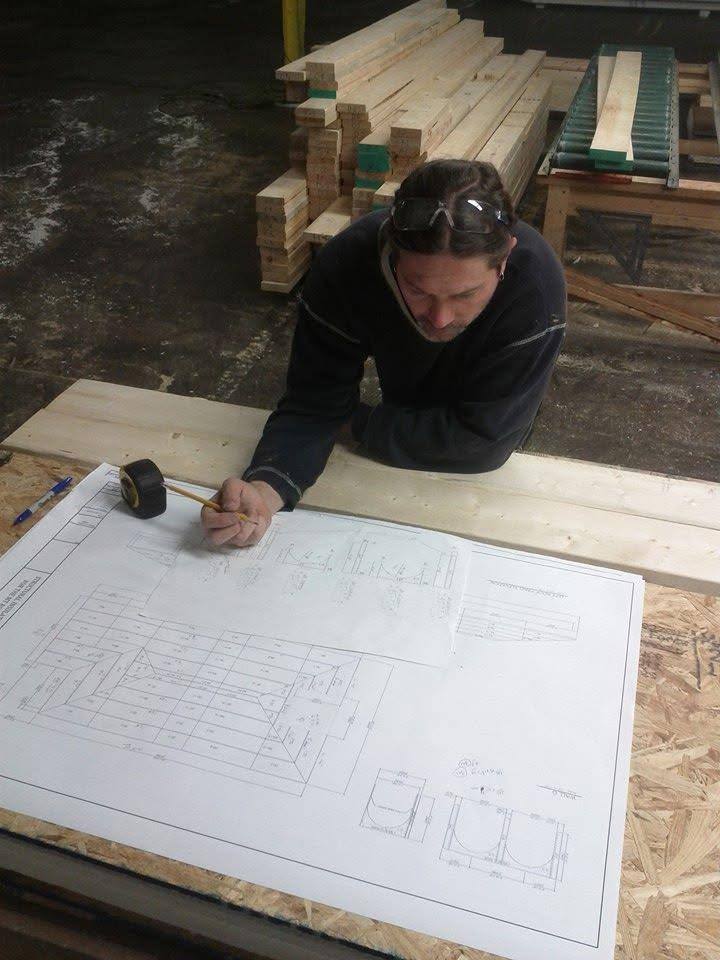
Marking up panel plans before the first ACME SIP ever gets cut

A smoother SIP installation starts well before there’s a truck sitting at the jobsite. The more that can be planned and worked through ahead of time, the fewer decisions your crew has to make in the field.

Before a Single Panel Gets Cut

ACME works from your plans to create a panel layout specific to your project, with the wall and roof panels identified so your crew knows where everything goes. When engineering is required, that becomes part of the process as well.

This upfront planning is an important part of building with SIPs because you’re not simply ordering a stack of building materials and figuring out how everything fits together once it arrives. The panel package is being planned around the home or building you’re actually constructing.

The goal is simple: work through as many details as possible before your crew is standing on the jobsite asking questions about them.

Learn more about ACME’s Project Support.

While Your Panels Are Being Built
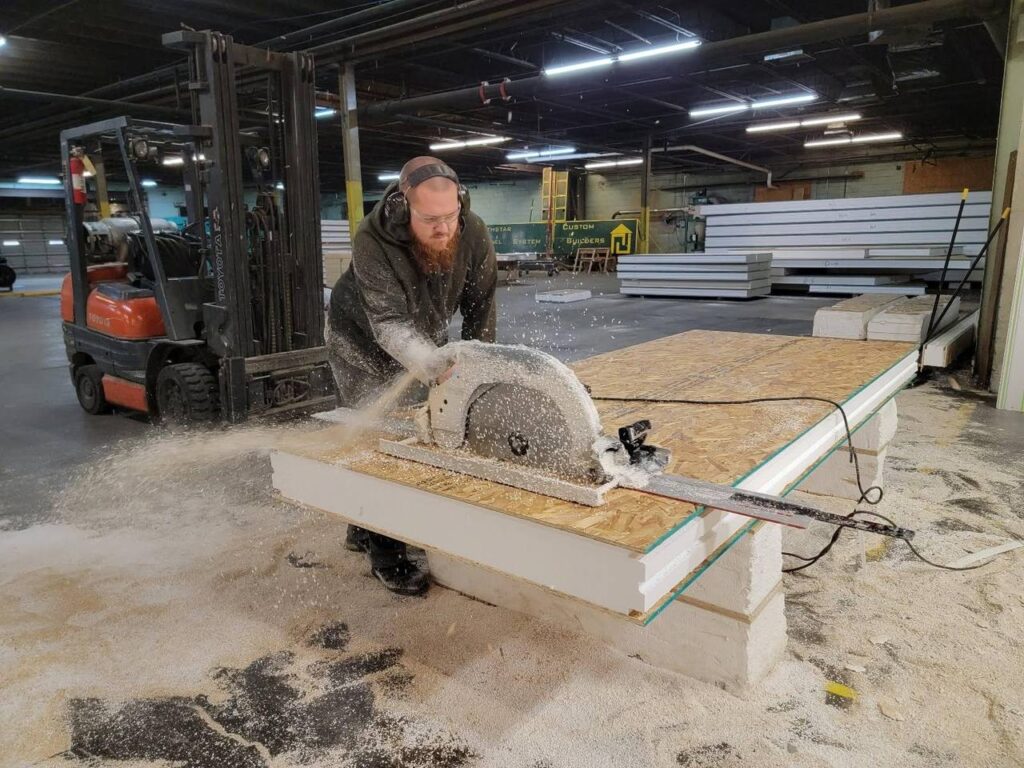
Cutting an ACME SIP to size in the manufacturing facility

Once the plans are ready, the SIPs are manufactured for your specific project, with panel sizes, openings, and other details planned before they arrive. Depending on the package you choose, panels can also be prepared and labeled to make assembly easier in the field.

Standard wiring chases are incorporated into the panels, and additional preparation options can reduce the amount of measuring, cutting, and decision-making that has to happen on site. For a crew working with SIPs for the first time, all of that upfront preparation can make the installation process feel much more manageable.

The more that gets figured out before delivery, the less your crew has to figure out while they’re building.

Delivery Day Has a Plan, Too

Before panels ever leave the facility, ACME works through the practical side of getting them to you: whether a tractor-trailer can actually access the site or a smaller trailer or a secondary drop point makes more sense, what’s needed to unload once they arrive, and how panels should be stored so they’re in good shape by the time your crew is ready for them. None of this is exciting. It’s exactly the kind of detail that turns into a scramble if nobody mentions it until the truck’s in the driveway.

The Pre-Install Meeting: Nothing Left to Figure Out On Site

Before installation day, ACME walks your crew through a pre-install meeting, not a formality, but the point where the drawings, the scope, and the actual installation details get covered out loud. What’s included in ACME’s scope and what’s on your crew. How panels should be handled and sealed for your project. How lifting plates work. What to do about rain screens, underlayment, and running electrical through the panels. It’s the difference between your crew showing up to install something they’ve only seen on paper, and showing up already knowing what day one looks like.

When It’s Time to Build, We’re There Too
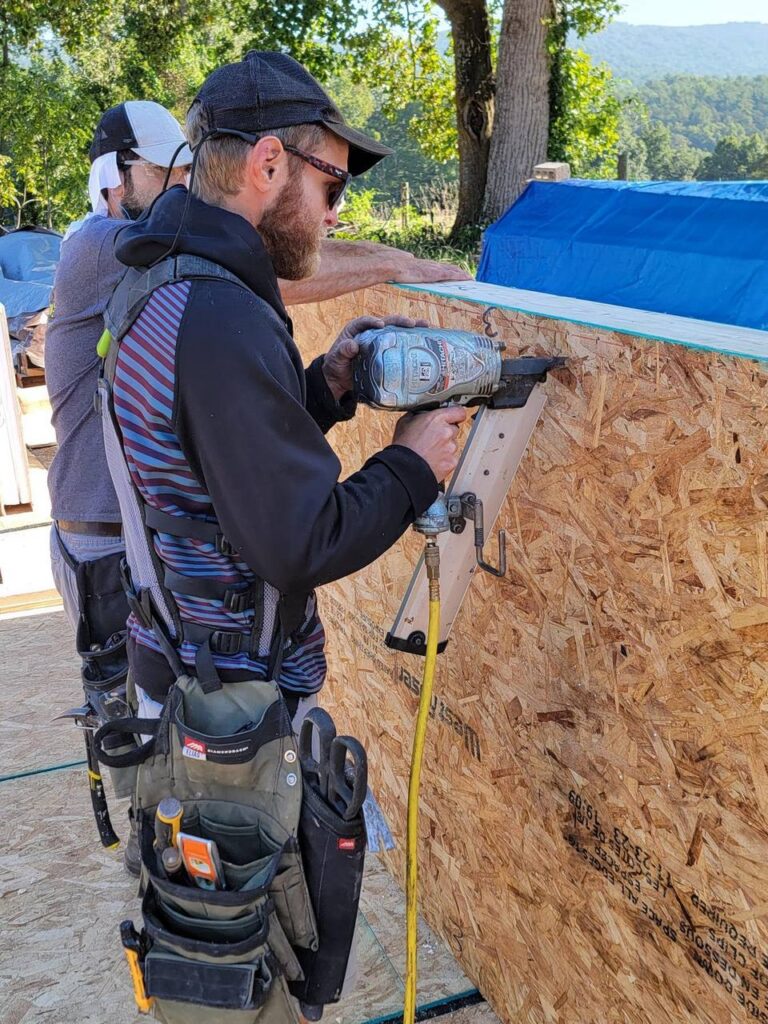
Securing the OSB skin on an ACME structural insulated panel with a pneumatic nailer

Installation is usually where first-time SIP builders have the most questions. The panels are on site, the crew is ready to go, and now it’s time to put a building system together that may be different from what everyone is used to.

That’s why ACME offers different levels of installation support. Some builders simply want an experienced person on site while their crew gets started. Others would rather have ACME handle part or all of the SIP installation. How much support makes sense depends on the project and the experience and comfort level of the crew.

Site Supervision

For many first-time SIP builders, site supervision can provide the extra confidence they need without turning the project over to someone else. An ACME site supervisor works alongside your team during installation, helping with sequencing, answering questions as they come up, and showing your crew how the system goes together in the field.

Your crew is still doing the building. They simply have someone beside them who has done it before and can help them get comfortable with the process.

Partial Installation

Some builders are comfortable handling most of the project but would rather have experienced help with certain portions of the SIP installation. Partial installation offers that middle ground, allowing ACME to handle agreed-upon portions of the work while your team takes care of the rest.

It can be a good fit when your crew wants to stay closely involved in the build but would benefit from hands-on support in areas where they have less experience.

Full Installation
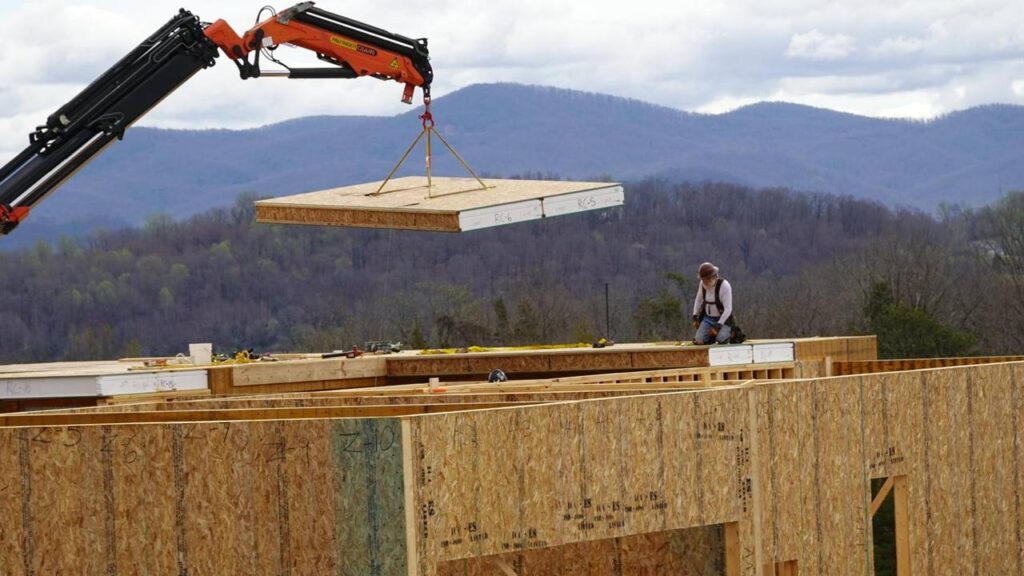
A crane lifting an ACME SIP roof panel into place during installation

For some projects, it makes more sense to have an experienced crew handle the SIP installation altogether. Depending on the project and location, ACME can provide full installation of the SIP package and related structural components.

There isn’t one right level of support for every builder, and that’s really the point. You have options, and ACME can help you decide what makes the most sense for your crew and your project.

Not sure which level of support fits your crew?

We’ll talk it through with you. No plans needed, and you don’t have to know the answer before you reach out.

Talk to ACME →

We Build With SIPs Too

There’s another reason ACME can help a first-time SIP crew through the process: we don’t only manufacture SIPs. We build with them too.
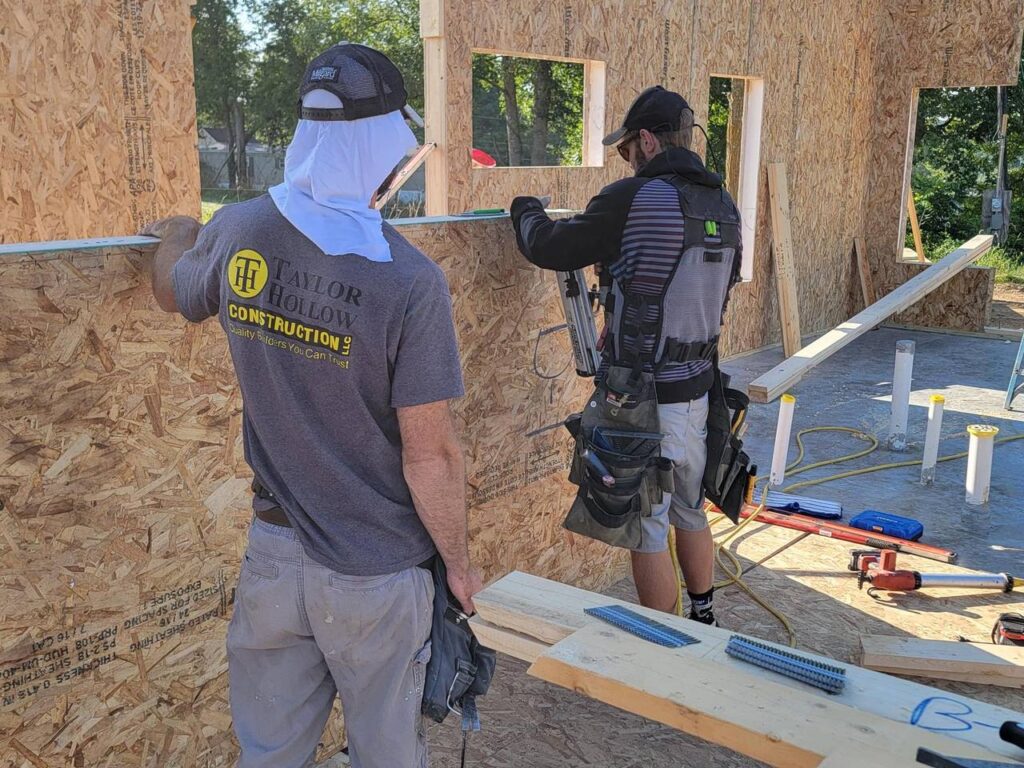
Taylor Hollow Construction crew framing an ACME SIP wall on site

ACME’s sister construction company, Taylor Hollow Construction, builds with ACME SIPs. That means when our team talks about what happens on a jobsite, where crews tend to have questions, or what can make an installation go more smoothly, that knowledge isn’t coming from a manual alone.

We’ve seen how the panels come together in the real world and worked through the details that are simply part of construction. There’s a difference between knowing how something is supposed to work on paper and understanding what it’s like when you’re standing on a jobsite trying to get it built.

We’ve been on that side of the panels too, and that experience shapes the support we give other builders. The crews ACME sends out for site supervision, partial installation, or full installation are our own people: Class A certified contractors who’ve built SIP walls on a Taylor Hollow jobsite, not just read about them. (More on how each option works on the Installation Support page.)

Full installation makes the most sense for projects near Radford, since travel adds cost the farther the crew has to go. For builders outside that range, most first-time crews do best pairing their own local framing crew with an ACME site supervisor on hand to guide them through the sequence.

ACME is also building out more hands-on training options beyond what’s listed there today, support for getting a crew comfortable with SIPs that goes further than most manufacturers offer at all. If that kind of guidance is what would make a first SIP project feel doable for your crew, it’s worth asking ACME directly about what’s available.

The Kind of Company That Knows Your Project

ACME is a family-owned company based in Radford, Virginia, and we’re still small enough that the person you talk to early in the project may very well be the same person helping answer a question months later.

That kind of familiarity matters when you’re building with something new. If a question comes up, you want to know there’s somebody on the other end of the phone who understands SIPs, knows the building process, and has enough familiarity with your project to help you work through it.

And because construction is construction, questions sometimes come up no matter how well a project is planned. When something unexpected happens on site, our team is there to help figure out the next step and keep things moving. Support shouldn’t disappear the moment the panels are unloaded.

Eventually, We Let Go of the Bike

Remember that person running alongside your bike? Eventually, they let go, and that’s the idea here too.

The goal isn’t for your crew to need help forever. It’s to give you the support you need while you’re learning the system, answer questions as they come up, and help your team get comfortable building with SIPs. Once you’ve seen how the panels are laid out, how the connections come together, and how the installation sequence works, what felt unfamiliar at the beginning starts to make a lot more sense.

And when the next SIP project comes along, your crew isn’t starting from the same place. You’ve done it before.

Trying something for the first time doesn’t mean you have to figure it out alone. Sometimes you just need someone to run alongside you until you’ve got it.

Let's Talk About Your First SIP Project

No plans needed yet. Tell us where you are in the process, and we’ll help you figure out what comes next.

Name(Required)
Phone
If you'd rather we call.

Frequently Asked Questions About Building With SIPs

Do I need experience building with SIPs?

No. Previous SIP experience is certainly helpful, but a builder doesn’t necessarily need to have installed SIPs before taking on a SIP project. Good planning, clear panel layouts, installation information, and access to experienced support can help a first-time SIP crew understand the system and install it correctly. ACME also offers on-site support for builders who want experienced help while their crew gets familiar with the installation process.

What support does ACME provide first-time SIP builders?

ACME’s support begins before manufacturing and can continue through installation. Depending on the project, that can include panel layouts, engineering and project support, panels prepared specifically for the building, installation guidance, site supervision, partial installation, or full installation. The level of support can be matched to the experience of your crew and the needs of your project, so you don’t have to choose between doing everything yourself or turning the entire installation over to someone else.

Does ACME provide on-site SIP installation support?

Yes. ACME offers site supervision for builders who want an experienced SIP professional working alongside their crew during installation. This gives your team someone on site who can help with sequencing, demonstrate how the system goes together, and answer questions as they come up while your crew continues to do the building.

Can ACME install the SIPs for my project?

ACME offers partial and full installation services for qualifying projects. Availability and scope depend on the project and location, so the best first step is to talk with ACME about what you’re building, your crew’s experience, and how much installation support you need.

What if my crew gets stuck or makes a mistake during installation?

That’s exactly what site supervision and partial installation are there for. Your crew has someone experienced on site who can catch a problem before it becomes an expensive one, not a phone number to call after the fact.

Want to Go Deeper?

If this article raises questions you want answered before you build, these resources are worth reading next.

→ SIP Construction: What to Know Before You Build: planning considerations for a first SIP project

→ SIP Dos and Don’ts: practical guidance for avoiding the mistakes a first-time crew is most likely to make

→ Economics of SIPs: the cost side of the question this post doesn’t cover