Why Is My Electric Bill So High? What You Can Control When Building a Home

You open your electric bill and wonder what happened. Did someone crank up the heat? Is the old refrigerator finally giving out? Maybe. But there’s a good chance nothing changed in your house at all. Electricity simply costs more than it used to.

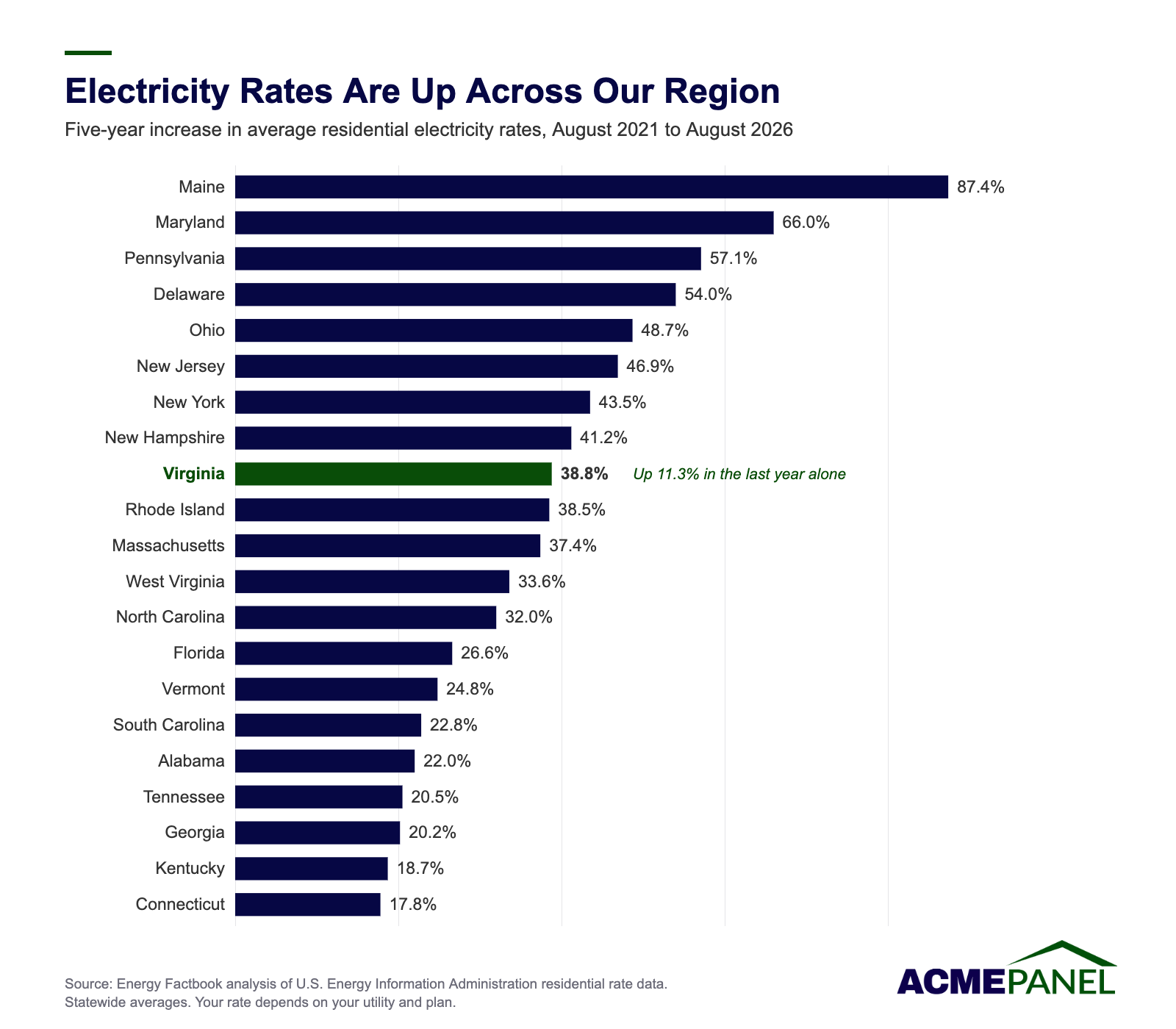
And not by a few pennies. Over the past five years, residential electricity rates have climbed nearly 39% in Virginia, 32% in North Carolina, and more than 50% in Pennsylvania and Maryland, and nearly 90% in Maine. You can use the same amount of electricity you did five years ago and still pay a lot more for it.

If you’re planning to build a home, here’s the part that matters: you can’t control what the electric company charges, but you can control how you build. Building with Structural Insulated Panels (SIPs) can significantly reduce the energy your home needs for heating and cooling. In fact, SIP buildings can use 50% to 60% less energy for heating and cooling than conventional construction, depending on the project.

Build with SIPs. Lower your electric bills. That’s the idea: build a home that needs less energy in the first place.

How Much Have Electricity Rates Gone Up in My State?

According to Energy Factbook’s analysis of U.S. Energy Information Administration data, residential electricity rates have increased across every state in ACME’s service region over the past five years.

Here’s how average residential rates changed between August 2021 and August 2026.

Bar chart of the five-year increase in average residential electricity rates, August 2021 to August 2026, in the 21 states ACME serves: Maine 87.4%, Maryland 66.0%, Pennsylvania 57.1%, Delaware 54.0%, Ohio 48.7%, New Jersey 46.9%, New York 43.5%, New Hampshire 41.2%, Virginia 38.8% (up 11.3% in the last year alone), Rhode Island 38.5%, Massachusetts 37.4%, West Virginia 33.6%, North Carolina 32.0%, Florida 26.6%, Vermont 24.8%, South Carolina 22.8%, Alabama 22.0%, Tennessee 20.5%, Georgia 20.2%, Kentucky 18.7%, Connecticut 17.8%.

Source: Energy Factbook, using EIA residential electricity rate data. These are statewide averages. Your actual rate will depend on your utility, rate plan, and location.

Here in Virginia, rates have increased nearly 39% over five years, including an 11.3% jump in the most recent year. Even states where electricity has traditionally been less expensive are seeing increases.

Why Is My Electric Bill Going Up?

There isn’t just one reason electricity costs more. Utilities are replacing aging equipment, building new infrastructure, and recovering from major storms. Like just about everything else, the cost of keeping the power on has gone up, and some of those expenses eventually make their way onto your bill.

In Virginia, the Mid-Atlantic, and Ohio, there’s another factor: data centers. These large buildings house the servers that power websites, apps, and online services, and they use a tremendous amount of electricity. Northern Virginia has one of the largest concentrations of data centers in the world, and growing demand across the region is putting additional pressure on the power grid.

In Maryland, the state’s Office of People’s Counsel estimates that rising regional power costs have added roughly $10 to $21 a month to some household bills since 2024.

The reasons vary by state, but the result is familiar: you’re paying more for electricity, even when you haven’t changed a thing.

Tired of watching your electric bill climb? If you’re planning a build, let’s talk about what a SIP home could mean for yours. Tell us about your project →

What Does That Mean for My Monthly Electric Bill?

Let’s put those percentages into dollars.

Say your home uses 1,000 kilowatt-hours (kWh) of electricity each month. That’s a convenient round number for comparing costs. Based on average residential rates, here’s approximately what that same amount of electricity costs in each state today compared with five years ago:

What 1,000 kWh a Month Costs, 2021 vs. 2026

State Aug. 2021 Aug. 2026 Difference
Alabama $134 $163 +$29/month
Connecticut $208 $245 +$37/month
Delaware $121 $187 +$66/month
Florida $118 $150 +$31/month
Georgia $132 $159 +$27/month
Kentucky $116 $138 +$22/month
Maine $171 $321 +$150/month
Maryland $129 $214 +$85/month
Massachusetts $222 $305 +$83/month
New Hampshire $196 $276 +$81/month
New Jersey $168 $246 +$79/month
New York $200 $287 +$87/month
North Carolina $113 $150 +$36/month
Ohio $130 $194 +$63/month
Pennsylvania $139 $218 +$79/month
Rhode Island $203 $282 +$78/month
South Carolina $128 $158 +$29/month
Tennessee $111 $134 +$23/month
Vermont $191 $238 +$47/month
Virginia $127 $176 +$49/month
West Virginia $122 $163 +$41/month

Approximate monthly cost for 1,000 kWh, based on statewide average residential rates from Energy Factbook, using EIA data. Your bill depends on your utility, rate plan, and usage.

In Virginia, that’s about $49 more a month, or $588 more a year. In Maryland, it’s more than $1,000 a year.

Same house. Same electricity use. Just a bigger bill.

Now think about what that could mean over 20 or 30 years of owning a home. Nobody knows exactly what electricity will cost in the future, but using less of it is one way to keep those costs more manageable.

Build With SIPs. Lower Your Electric Bills.

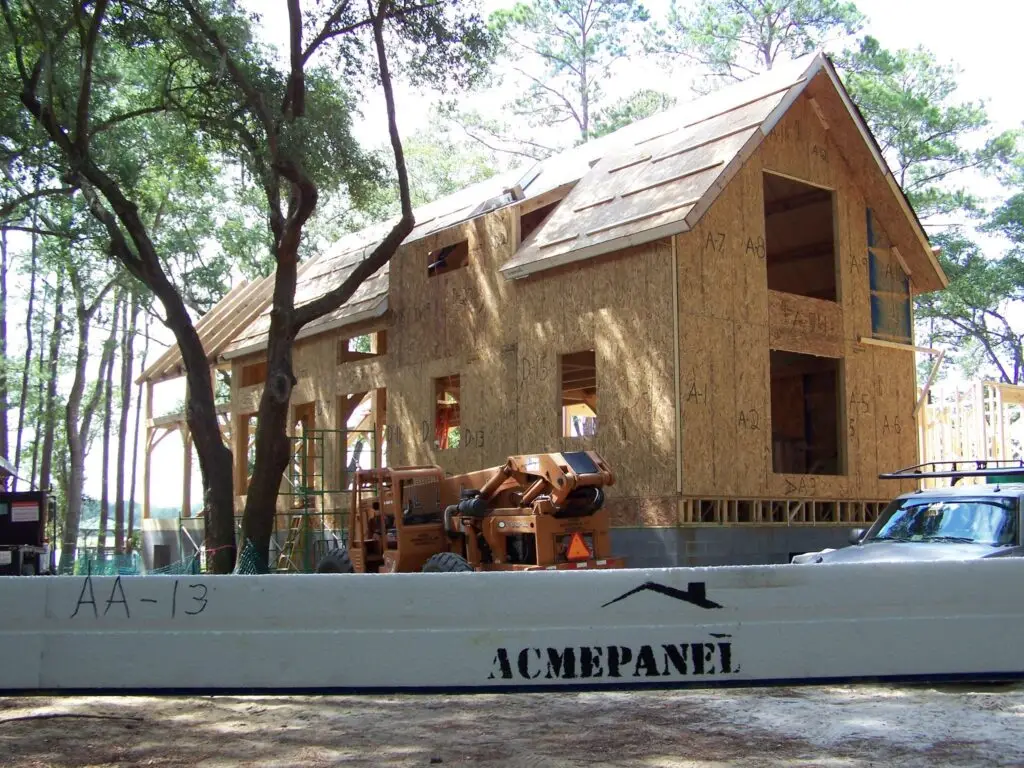
A two-story home framed with ACME SIP walls, with an ACME-branded SIP panel in the foreground

When you’re building a home, there are plenty of things competing for your attention and your budget. Floor plans, kitchens, flooring, and finishes usually get most of the attention. But there’s something else worth thinking about before construction begins: how much energy your home will need once you’re living in it.

There are several ways to reduce energy use, including efficient heating and cooling systems, good windows and doors, energy-efficient appliances, and solar panels. All of these can make a difference, but there’s one thing you don’t want to overlook: your walls and roof.

You can replace an air conditioner, upgrade appliances, or add solar panels years after moving in. Your walls and roof are a different story. Once your home is finished, improving the insulation and airtightness of those areas can mean opening up finished walls and ceilings. And nobody wants to start tearing into a house they just finished building.

That’s one of the reasons we’re big believers in building with SIPs.

SIPs combine structure and continuous insulation in one panel, helping create a tight, well-insulated building envelope with fewer gaps where air and heat can move in and out. When your walls and roof do a better job keeping outside temperatures where they belong, your heating and cooling system doesn’t have to work as hard.

SIP buildings can use 50% to 60% less energy for heating and cooling compared with conventional construction, depending on the building design and other factors.

And with electricity rates climbing, reducing how much energy your home needs is one way to keep those monthly bills more manageable. It’s also why a SIP home can feel noticeably different in the middle of summer or on a cold winter morning.

Learn more about why your SIP home feels different in summer and winter.

SIPs may cost more upfront than conventional framing, depending on the project. But the initial price is only part of the picture. See how installation, labor, and long-term energy savings factor into the overall cost on our Economics of SIPs page.
Want to know what SIPs could save on your electric bill?

Savings depend on your design, your climate, and your lot. Tell us where you’re building, and we’ll talk through what to expect. No plans needed.

Talk to ACME →

Real Virginia Homes Putting Energy Efficiency to Work

An Airtight SIP Home in Vienna, Virginia

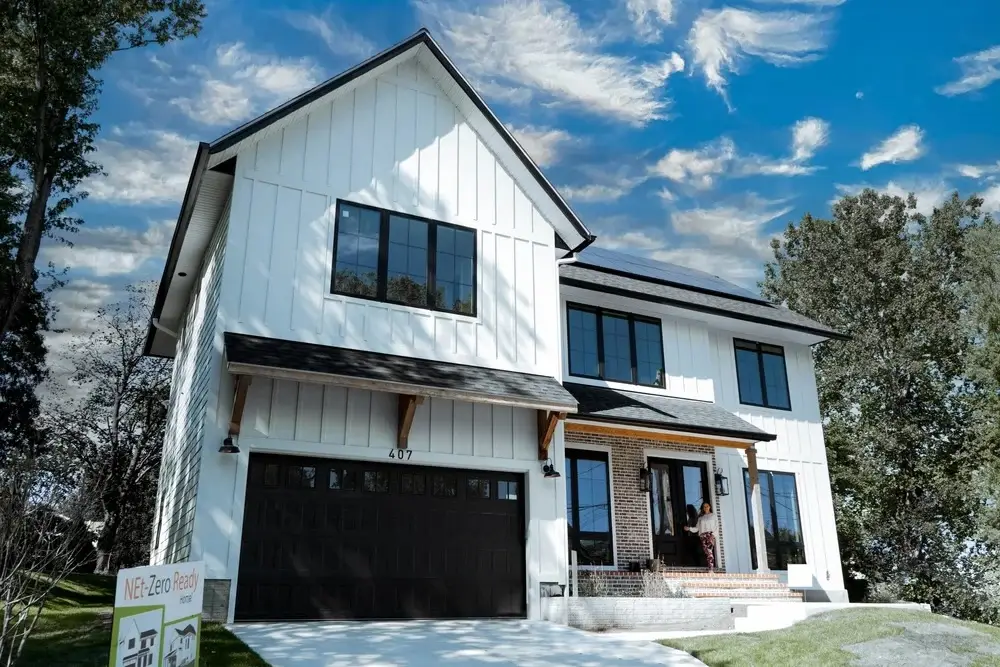
Completed DOE Zero Energy Ready SIP home exterior in Vienna, Virginia with a Net Zero Ready yard sign

In Vienna, Virginia, one homeowner made energy efficiency a priority from the beginning. The home was built with ACME SIP walls and roof, creating a well-insulated building envelope designed to reduce heating and cooling demand.

And the numbers back it up.

A blower-door test measured just 0.87 ACH50, showing how airtight the home is. It also earned U.S. Department of Energy Zero Energy Ready Home certification. With a 12.15 kW rooftop solar system, the home achieved a HERS Index score of 13, indicating excellent energy performance.

What makes this project interesting isn’t just the solar panels or the impressive test results. It’s how everything works together. The SIP walls and roof help reduce how much energy the home needs, while efficient equipment and solar power help meet the remaining demand.

See the Northern Virginia DOE Zero Energy Ready SIP Home.

A $34 Electric Bill in Lexington, Virginia

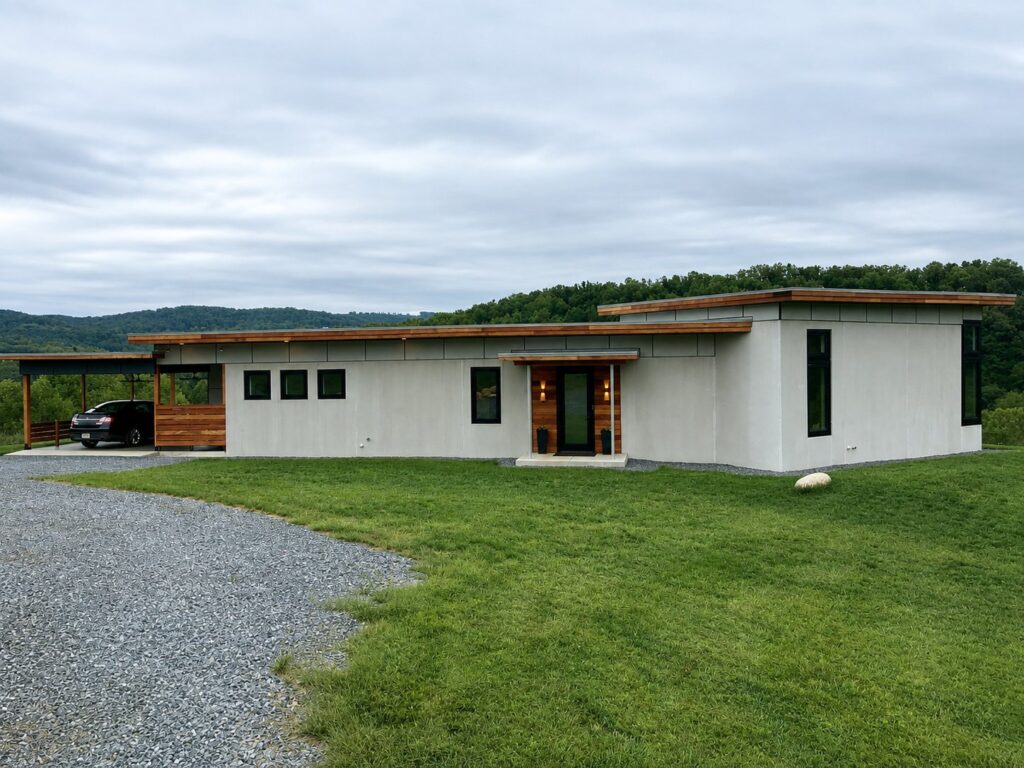
Front entrance of the finished Lexington, Virginia home, with cedar trim along the SIP roof overhang and black-framed windows under an overcast sky.

And then there’s this home in Lexington, Virginia, where the homeowners say their highest electric bill since 2020 has been just $34. Yes, $34.

The home combines insulated concrete form (ICF) walls with an ACME SIP roof, efficient mini-split heating and cooling, and a ground-mounted solar system added after construction.

That’s not a result anyone can promise for every home, and no single product can take credit for it. But it’s a great example of what can happen when a well-insulated building envelope, efficient equipment, and solar power work together.

See the Modern Solar Home in Lexington.

Build for the Energy Costs You Can't Predict

Nobody knows exactly what electricity will cost 10, 20, or 30 years from now. But if you’re planning to build a home, you have an opportunity to reduce how much energy you’ll need, no matter what those rates turn out to be.

If your home needs less energy to stay comfortable, you’re in a better position when electricity rates go up. That’s the whole idea behind building with SIPs: lower your energy use now, and help keep your electric bills more manageable for years to come.

You can’t control the price of electricity. But you do have a say in how your home is built.

Planning to Build? Let's Talk About SIPs.

Wondering what building with SIPs could mean for your home’s energy use and electric bills? No plans needed yet. Tell us a little about where you’re building and where you are in the process, and we’ll take it from there.

This field is for validation purposes and should be left unchanged.
Name(Required)
Phone
If you'd rather we call.
Newsletter

Frequently Asked Questions About Rising Electricity Rates and Energy-Efficient Homes

Why are electricity rates going up?

Electricity rates are rising for several reasons, including aging infrastructure, higher utility operating costs, storm recovery, and growing demand for electricity. In Virginia, the Mid-Atlantic, and Ohio, data centers are also contributing to increased demand and regional power costs.

Will electricity rates keep rising?

No one knows for certain, but many of the pressures behind recent increases aren’t going away. A 2024 study by Virginia’s Joint Legislative Audit and Review Commission (JLARC) projected that typical residential charges for generation and transmission could rise about 41% by 2040 under a scenario of continued data center growth. That’s a projection, not a guarantee.

Are data centers raising my electric bill?

In some regions, they’re one of several contributing factors. Growing data center demand has put pressure on regional electricity markets, and Maryland’s consumer advocate estimates that rising regional power costs have added roughly $10 to $21 a month to some household bills since 2024. Data centers aren’t responsible for every rate increase, though.

How much can a SIP home save on electric bills?

SIP buildings can use 50% to 60% less energy for heating and cooling compared with conventional construction, depending on the building design and other factors. Because heating and cooling account for a significant portion of a home’s energy use, those savings can help lower monthly electric bills. Actual savings depend on your home’s design, climate, equipment, and electricity rates.

Is an energy-efficient home still worth it if I’m adding solar?

Absolutely. Solar panels generate electricity, but they don’t reduce how much energy your home needs. Starting with a tight, well-insulated building envelope can reduce heating and cooling demand, which may allow a smaller solar system to meet more of your home’s electricity needs.

Does an energy-efficient home reduce my carbon footprint?

Generally, yes. Using less electricity can reduce emissions associated with generating power, particularly when that electricity comes from fossil fuels. A well-insulated building envelope helps reduce energy use year after year.

It’s the same thinking behind our own plant in Radford, Virginia, where 406 solar panels help power the work of making SIPs.